What to check before choosing local-led tours in Barcelona
Local-led tours can make a city feel more manageable. Instead of trying to decode a map, a crowded timetable and a long list of landmarks on your own, you get a route shaped by someone who knows the streets well. The best options are not simply the ones with the most famous stops. They are the ones that match your pace, interests and tolerance for crowds.
Before booking tours by locals Barcelona visitors should look past the headline and examine the details. A good tour should feel clear before it begins, not full of surprises once you meet. Check what is included, how the route works, what kind of guiding style is used and whether the day leaves room for your own discoveries. A little care at the booking stage helps avoid a tour that is too rushed, too generic or poorly matched to your group.
What the route actually covers
Start with the itinerary, but read it as a rough shape rather than a promise that every minute is fixed. Look for a route with a clear beginning and end, a sensible walking distance and enough detail to show what makes each area worth your time. In a dense city, a route that sounds short on paper can take longer because of crossings, queues and busy pavements.
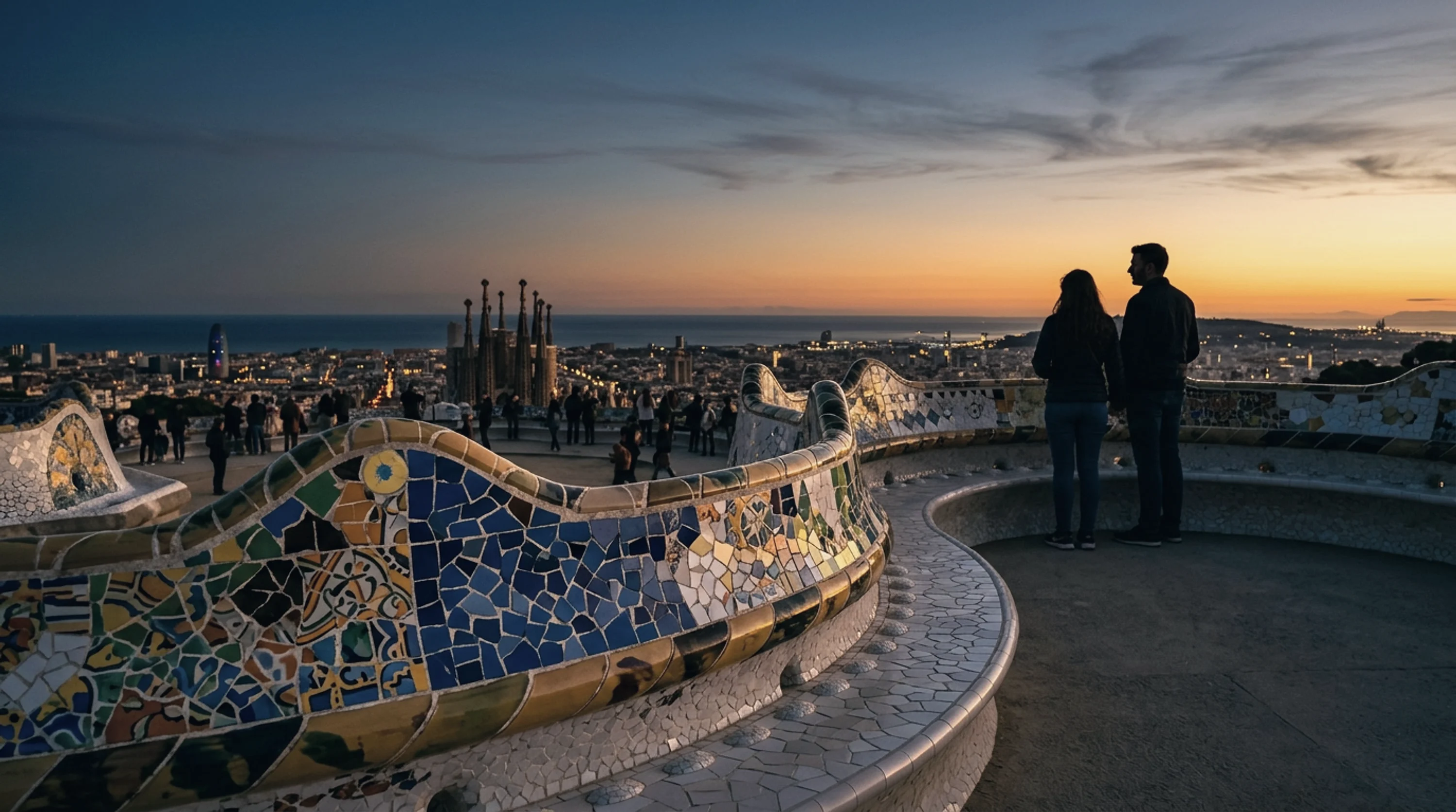
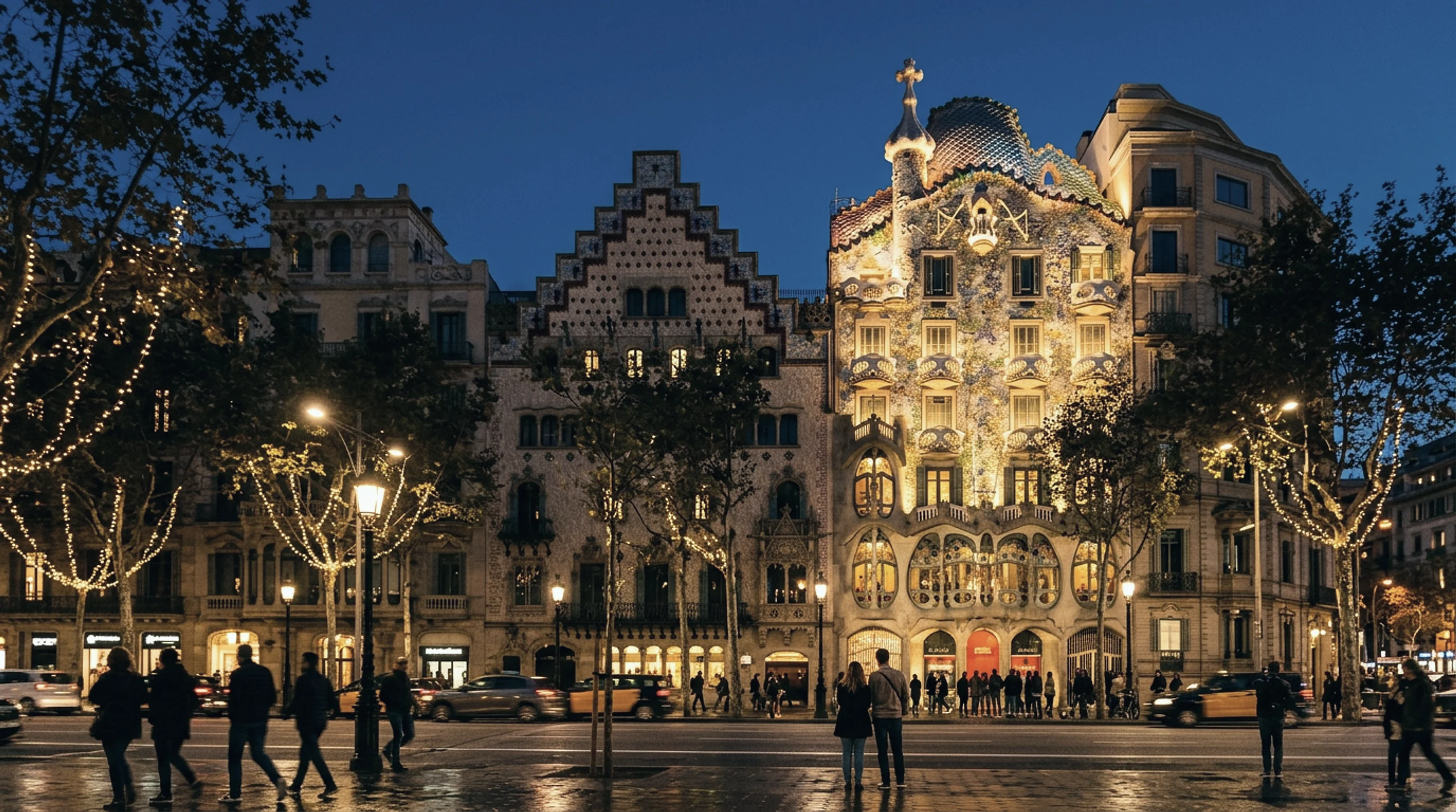
Pay attention to the balance between well known sites and smaller stops. A route made only of famous landmarks may repeat what you can find in any general city guide. A route made only of obscure corners may feel scattered if the context is thin. The strongest options connect both, using architectural heritage and local insights to explain why a street, square or market matters.
If you care about a particular part of the city, check that it appears in more than a passing mention. El Born district, for example, rewards slow exploration. A tour that merely passes through it may not give enough time to notice the lanes, courtyards and layers of history that make the area distinctive.
How the guide is described
The wording used to describe the guide can tell you a lot. Look for specifics about knowledge, language and style rather than broad claims. A barcelona private tour guide should be able to explain the city in a way that suits the people on the tour, whether that means detailed history, food recommendations or a relaxed introduction to neighbourhood life.
Check which languages are offered and confirm that the main language of the tour is one your group can follow comfortably. If the route includes cultural anecdotes, the guide needs enough time to tell them properly. A tour packed with stops often leaves little room for the stories that make a place memorable.
Also consider the size and makeup of the group. A smaller group often makes it easier to ask questions and move through narrow streets. A larger group can still work well if the pace is organised and the guide is clear, but it may reduce the chance of spontaneous conversation. For families, older travellers or anyone with mobility limits, the difference can be significant.
Whether the pace suits your day
walking routes should be judged by more than distance. Hills, cobbles, steps, heat and stop-start traffic all affect how tiring a tour feels. Ask whether there are seated breaks, where they happen and whether the route includes public transport. If the day is built around food markets, check whether tasting is done while standing or whether there are places to sit.
Think about the time of day too. Morning tours often feel calmer in busy areas, while late afternoon routes can offer softer light and a different mood. Evening options may suit people who want atmosphere, but they can reduce access to interiors or certain market stalls. The right choice depends on what you want to see and how much energy you expect to have.
A useful barcelona private tour guide will usually shape the explanation around the route rather than deliver a fixed speech at every stop. That matters when weather, closures or crowds change the flow of the day. Flexibility does not mean the tour becomes vague. It means the essential points remain clear even when small adjustments are needed.
What is included and what is left open
Before confirming a booking, read the inclusions carefully. Check whether entry tickets, tastings, transport or meals are part of the experience, and whether anything requires separate arrangements. This is especially relevant for popular sites where access can change by season or time. A tour that looks simple may still need reservations, timed entry or a short wait.
It is equally useful to know what is not included. Some tours focus on storytelling and viewpoints, leaving meals and interior visits for later. Others build the experience around tastings or workshops. Neither approach is automatically better, but one may suit your plans more than the other.
Ask how much free time is built into the itinerary. Authentic experiences often need breathing space, whether that means lingering at a market, stepping into a small shop or taking photographs without feeling hurried. A tightly scripted day can be efficient, yet it may leave little room for the small discoveries that make a city feel personal.
Details that are easy to miss
- Meeting point clarity: Choose a place that is easy to find and easy to explain. A vague meeting point can waste time before the route has even begun.
- End point: Check where the tour finishes, especially if you have other plans, luggage or a train to catch.
- Access needs: If anyone in the group needs a slower pace, step-free access or regular breaks, raise this before booking rather than on the day.
- Weather plan: Ask what happens in heavy rain or extreme heat. Shade, shelter and shorter walking sections can matter more than an impressive list of stops.
- Group atmosphere: Consider whether the tour is designed for conversation, observation or a more structured presentation. The right tone makes the experience more comfortable.
How to judge value without focusing only on the route
A short tour can be excellent if it is well paced and richly explained. A longer tour can feel excessive if it repeats the same themes or spends too much time moving between areas. Judge the experience by how well the pieces fit together: the route, the guide, the timing and the room for questions.
Look for signs that the itinerary has been thought through. Does the route follow a logical direction? Are the stops connected by a clear theme? Does the explanation move beyond dates and names into the way local life works? These details often separate a polished experience from a collection of familiar sights.
For travellers who want deeper context, food markets can be especially useful because they show everyday routines as well as local produce. For others, a walk through quieter streets may be more appealing than a busy landmark circuit. The choice should reflect the kind of memory you want to take away, not just the number of places covered.
Questions worth asking before you confirm
A few direct questions can prevent most booking regrets. Ask how long the tour lasts in practice, how much walking is involved and whether the route changes in bad weather. Ask what happens if a site is closed or a market is quiet on the chosen day. A clear answer is more useful than a perfect sounding itinerary that cannot adapt.
Also ask whether the guiding style is conversational. Many people enjoy a tour that allows questions, brief pauses and local recommendations, while others prefer a more formal explanation. Both can be worthwhile, but the mismatch is easy to avoid when expectations are discussed early.
Finally, check the cancellation and change terms before paying. Plans shift, flights are delayed and weather can disrupt even the best arranged day. Knowing the rules in advance keeps the decision calm and prevents a small change from becoming an expensive problem.
Choosing among tours by locals Barcelona travellers will see is less about finding a perfect route and more about finding a good fit. Read the itinerary closely, check the guide's style, think about pace and confirm the practical details. When those pieces line up, the tour becomes more than a way to tick off sights. It becomes a clear, enjoyable way to understand the city on its own terms.